Anxiety Therapy in Cary, NC

Is Your Child's Anxiety Making Everyday Life Feel Overwhelming?
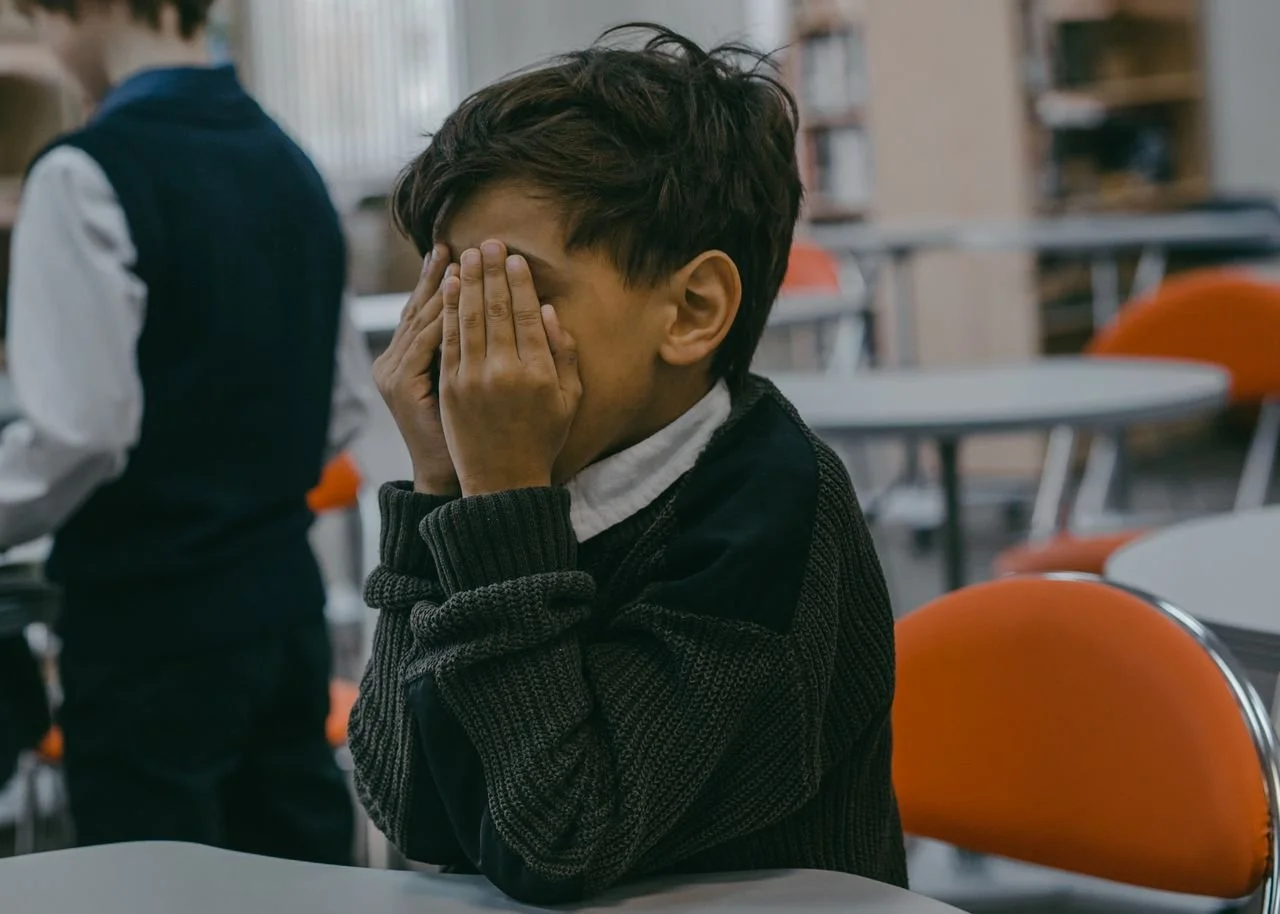
Have you noticed your child worrying about things that seem small to everyone else, but feel huge to them?
Do they become upset over changes in routine, struggle to separate from you, or ask for constant reassurance?
Maybe they're afraid of making mistakes, trying new things, or speaking up in class. Perhaps they avoid social situations, have frequent stomachaches before school, or lie awake at night worrying about what tomorrow might bring.
As a parent, it can be heartbreaking to watch your child struggle. You want to reassure them that everything will be okay, but no matter how many times you say it, their fears seem to linger.
You may even find yourself feeling anxious too, wondering if you're saying the right things or doing enough to help.
When anxiety takes hold, it can affect nearly every part of your child's (and your family’s) life.
Anxiety Can Show Up in Many Different Ways
Every child experiences anxiety differently. Some children become quiet and withdrawn, while others seem irritable, emotional, or clingy. Some have trouble concentrating at school, while others avoid activities they once enjoyed.
Your child may experience:
● Frequent worries or fears that are difficult to calm
● Stomachaches, headaches, or other physical complaints without a clear medical cause
● Difficulty sleeping or frequent nightmares
● Panic or meltdowns when faced with stressful situations
● Avoidance of school, social events, or new experiences
● Constant reassurance-seeking or fear of making mistakes
Over time, anxiety can begin to limit your child's confidence. Instead of enjoying childhood, they may spend much of their energy trying to avoid situations that make them feel afraid or uncertain.
You're Not Alone - and Neither Is Your Child
Many parents wonder if what they're seeing is "just a phase" or something more. It's common to hope your child will simply outgrow their worries, but persistent anxiety often needs support to improve. About one-half of adults with anxiety issues report that their symptoms began in childhood. Unlike your parents’ generation, we now know that early intervention can help.
The good news is that anxiety is one of the most treatable challenges children face.
I combine evidence-based interventions with fun activities so that your child will enjoy the process while learning skills. With the right guidance, children can learn to understand their anxious thoughts, manage big emotions, and develop healthy coping skills that serve them for years to come.


Why Children Develop Anxiety
There isn't one single cause of anxiety. Some children are naturally more sensitive or cautious, while others develop anxiety after stressful experiences, major life changes, or ongoing pressures at school or home.
Today's children are also growing up in a fast-paced world filled with academic expectations, busy schedules, social pressures, and constant exposure to information. For some kids, it can simply become too much to process on their own.
None of this means you've done anything wrong as a parent. Anxiety isn't caused by a lack of love or good parenting—it simply means your child needs additional tools and support.
Therapy Can Help Your Child Feel More Confident
Children don't have to live in constant worry. Therapy provides a safe, supportive space where your child can learn about their emotions, practice new coping skills, and gradually build confidence in handling situations that once felt overwhelming.
At the same time, you'll gain a better understanding of what your child is experiencing and learn practical ways to support them at home without accidentally reinforcing their anxiety.
What You Can Expect
During your first sessions, your therapist will spend time getting to know your child, learning about their unique challenges, and understanding how anxiety is affecting your family.
Together, you'll:
● Explore what's contributing to your child's anxiety
● Identify situations that trigger anxious thoughts or behaviors
● Develop realistic goals for treatment
● Create a personalized plan that fits your child's age, personality, and needs.
Cognitive Behavior Therapy (CBT) is the evidence-based standard for the treatment of anxiety. CBT involves identifying thought and behavior patterns that are contributing to anxiety.
What is unique with this office, is that we make CBT concrete, fun and understandable even for younger children.
As therapy progresses, your child will begin learning healthy ways to manage worry, express difficult emotions, and face challenges with greater confidence. Many parents also notice improvements in family relationships as everyone gains a better understanding of anxiety and how to respond to it.

More on Anxiety…
140 Preston Executive Dr #100-F, Cary, NC 27513 | (919) 607-6747
Also seeing clients in Holly Springs, NC | 300 W Earp St, Holly Springs, NC 27540