OCD Therapy in Cary, NC

Are You and Your Child Struggling?
Are you overwhelmed? If you have a child with OCD, it can be really hard on not only your child but you and the entire family. Your daily routines have been disrupted and distress is high. No amount of reasoning or logic has helped. Your child is struggling and so are you. I am glad you are here. Before you go any further, I want you to do something that you enjoy today, even if it is a small treat like a cup of tea, a walk, listening to music or calling a friend. The amount of overwhelm, worry, sleep deprivation and exhaustion are real. Shoring up your own resources and inner strength will help you summon up the extra energy to help your family through the OCD.
I have been trained in the evidence-based treatment of pediatric OCD and successfully helped numerous kids. I look forward to talking to you….there is hope.
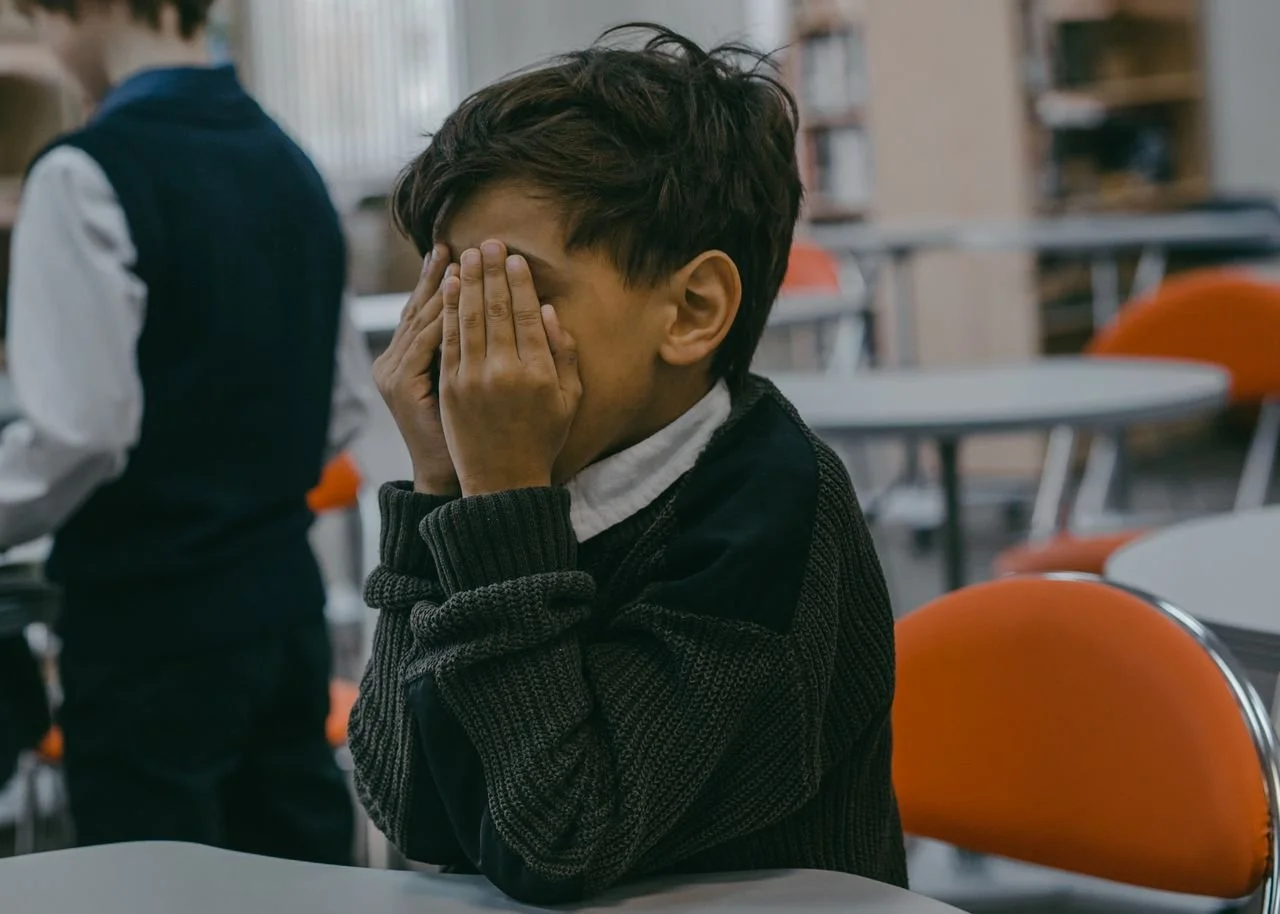
One of the more common, but not often talked about mental health conditions in school-age youth is obsessive compulsive disorder (OCD). OCD causes severe anxiety in those affected. OCD involves both obsessions and compulsions that take a lot of time and get in the way of important activities, such as school and extracurricular activities, developing friendships, and self-care.
Obsessions are intrusive and unwanted thoughts, images, or urges that occur over and over again and feel outside of the child’s control. These obsessions are unpleasant for the child and typically cause a lot of worry, anxiety, and distress.
Common obsessions may include:
Worrying about germs, getting sick, or dying
Extreme fears about bad things happening or doing something wrong
Feeling that things have to be “just right”
Disturbing and unwanted thoughts or images about hurting other.
Compulsions (also referred to as rituals) are behaviors the child feels he or she “must do” with the intention of getting rid of the upsetting feelings and anxiety caused by the obsessions. A child may also believe that engaging in these compulsions will somehow prevent bad things from happening.
Common compulsions may involve:
Excessive checking (e.g., re-checking that the door is locked, that the oven is off)
Excessive washing and/or cleaning
Repeating actions until they are “just right” or starting things over again
Ordering or arranging things in a specific way
Mental compulsions (e.g., mental reviewing)
Frequent confessing or apologizing
Saying lucky words or numbers
Excessive reassurance seeking (e.g., “Are you sure I’m going to be okay?”)
In general, OCD is diagnosed when these obsessions and compulsions become so time-consuming that they negatively interfere with the child’s daily life. Typically, the obsessions and compulsions become gradually more severe over time until they get to this point. Children with OCD cannot just simply “let it go” or “snap out of it” no matter how many times you try to reason with them or ask them to stop.
You're Not Alone
3,000,000 kids in the US are estimated to have OCD. That is about 20 students in your average public high school and one student in every elementary classroom that has it or will develop it by age 18. OCD can occur in children as young as 4 but it most often appears between the ages of 8-12.
What Is The Difference Between OCD
in Children and Adults?
Children may not recognize that their thoughts, feelings and rituals are out of the ordinary and may not think to ask for help. Or they may try to hide it from their peers and parents. Research has found that kids and teens live with their symptoms an average of 2.5 years before they see a mental health professional.
Kids and teens often involve family members in the obsessions and rituals. For example, a child may demand that all family members wash their hands thoroughly, or may refuse to go to bed until parents say goodnight repeatedly.
Younger children with OCD may have a stronger family history of OCD or anxiety.
The right treatment can be very helpful for children with OCD, allowing them to lead full and productive lives. Exposure and Response Prevention (ERP) – a type of cognitive behavior therapy (CBT) – backed by decades of research is considered the best and most effective therapy for children and teens with OCD.
In ERP, children learn to face their fears (exposure) without giving into the compulsion (response prevention) under the guidance of a licensed therapist.
How is OCD treated?
What You Can Expect
During your first sessions, your therapist will seek to understand what your child is experiencing, spend time getting to know your child, learning about their unique challenges, and understanding how OCD is affecting your family.
Together, you’ll
● Take an inventory of the specific OCD symptoms that are impacting your child
● Develop realistic goals for treatment
● Create a personalized plan that fits your child’s age, personality, and needs
As therapy progresses, your child will learn that they can allow the obsessions and anxiety to come and go without the need for their compulsions or rituals. ERP teaches them to confront their OCD fears, and that they can successfully handle the anxiety that they feel. Many parents also notice improvements in family relationships as everyone gains a better understanding of OCD and how to respond to it.

More on OCD…
140 Preston Executive Dr #100-F, Cary, NC 27513 | (919) 607-6747
Also seeing clients in Holly Springs, NC | 300 W Earp St, Holly Springs, NC 27540